Not Every Scene Needs Pain
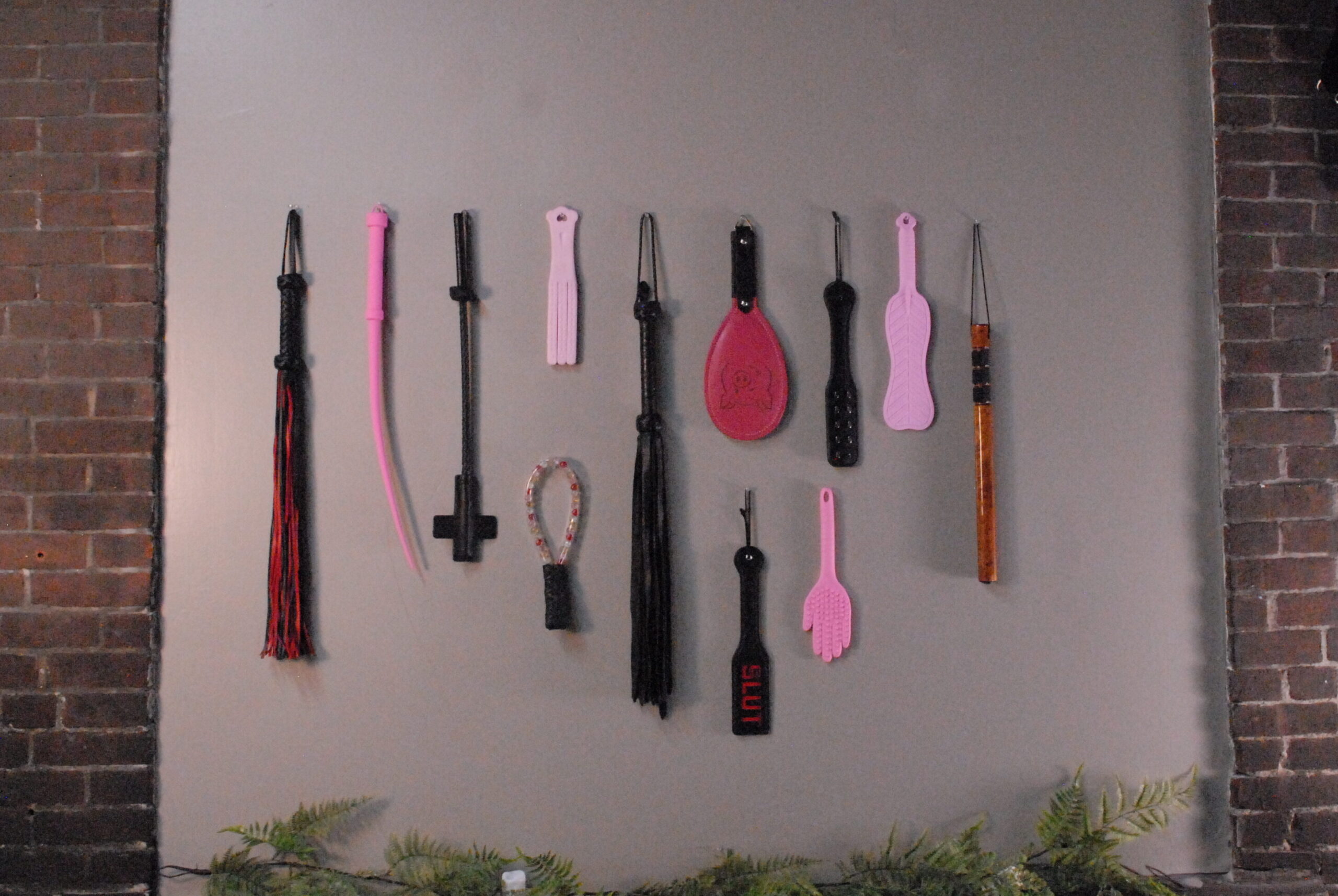
Pain Is a Tool, Not the Goal
When most people think about BDSM, they think about pain. Whips, canes, paddles. Bruises, rope burns. The physical marks that make for dramatic photographs and memorable stories.
It’s understandable. Those images are often the most visible representation of kink, both in mainstream media and even within our own community.
But they’re also… incomplete.
One of the biggest misconceptions I encounter, especially from people who are new to BDSM, is the belief that every scene has to hurt. That if there isn’t pain, it somehow “doesn’t count.” The reality is so much better.
BDSM Is About Intention
Strip away the toys, the leather, the aesthetics, and the terminology, and what remains is something beautifully simple: An intentional exchange. A scene is a carefully negotiated experience designed to evoke particular emotions, sensations, thoughts, or states of mind. The activities themselves are simply the vehicle. Pain is one possible destination, but it’s not the only one!
Chasing a Feeling, Not an Activity
When I negotiate a scene, I’m often less interested in what someone wants to do than why they want to do it. Someone may ask for impact play. But are they actually looking for impact? Or are they looking for catharsis? For surrender? For the rush of endorphins? For permission to stop thinking? For the comfort of structure? For the feeling of earning approval?
Those answers matter far more than whether we’re using a flogger or a feather. The activity is just one path toward the experience they’re hoping to have.
The Brain Is the Most Powerful Toy in the Dungeon
Neuroscience has taught us that expectation profoundly shapes perception. Anticipation changes how we experience sensation. Context changes how we interpret it. Trust changes how safe our nervous system feels exploring it. Anyone who’s ever stood quietly waiting for permission to move knows this.
Your heart races. Your breathing changes. Time stretches.
Nothing painful has happened. And yet your body is responding as though something enormous is about to occur. The psychological component of BDSM is incredibly powerful because our brains are constantly assigning meaning to what we experience.
A hand resting lightly under your chin can feel insignificant, or incredibly intimate, depending on the relationship, the negotiation, and the intention behind it. The physical action is only part of the equation. Meaning does the rest.
There Are Countless Ways to Build Intensity
I’ve seen people tremble more during five minutes of enforced stillness than they ever did under a heavy flogging. I’ve watched protocol create butterflies that no paddle could. Service can become overwhelming. Eye contact can feel vulnerable. Silence can become deafening. Praise can reduce someone to tears. Humiliation can leave someone emotionally exposed. A simple “good” spoken at exactly the right moment can carry more emotional weight than ten strikes from a cane. Likewise, a single disappointed glance can unravel someone far more effectively than any physical sensation.
None of those experiences require pain. They require intention.
Every Dynamic Has Its Own Language
One of the things I love most about BDSM is that no two dynamics speak exactly the same language. For one person, service is deeply fulfilling. For another, ritual creates security.
Someone else melts under nurturing dominance. Another thrives on strict protocol.
Some crave objectification. Others need reassurance.
Some want challenge. Others simply want someone else to carry the weight of decision-making for a little while.
The beauty lies in discovering what language resonates with each individual. Pain is simply one dialect.
Pain Can Enhance a Scene But It Doesn’t Define One
None of this is meant to diminish pain. Pain can be beautiful. For many people, it’s cathartic, grounding, euphoric, intimate, meditative, erotic, or deeply connecting. Endorphins, adrenaline, and the neurochemical cocktail that follows an intense scene can create remarkable emotional experiences. When practiced safely and consensually, pain can absolutely become an incredible part of BDSM.
But it’s still a tool. Just like rope. Just like restraints. Just like protocol. Just like praise. Just like silence.
A skilled Dominant doesn’t rely on a single tool for every scene. They learn to understand why each tool works, when it’s appropriate, and what experience they’re trying to create.
Better Negotiation Starts With Better Questions
One question has become increasingly important in my own negotiations: “How do you want to feel when this scene is over?”
Not: “What toys do you like?”
Not: “What activities are on your list?”
Instead…
How do you want to feel? Powerful? Safe? Emptied? Accomplished? Cherished? Small? Grounded? Useful? Proud? Emotionally lighter?
That conversation often reveals far more than a checklist of activities ever could. Because if two people are trying to create entirely different emotional experiences using the same activities, they’ll often leave feeling disconnected, even if everything technically went according to plan.
The Marks That Matter Most
Bruises eventually fade. Rope marks disappear. Wax peels off. But many of us can remember a single sentence a Dominant said years ago.
Or a look.
Or a quiet moment of permission.
Or standing in complete silence while realizing someone was paying absolute attention to us.
Those moments linger because BDSM isn’t simply physical. It’s relational. It’s psychological. It’s emotional. It’s built on trust.
Final Thoughts
Pain has earned its place within BDSM, and for many of us, it’s an incredibly meaningful one. But it isn’t the defining characteristic of a great scene. The scenes I remember most aren’t necessarily the ones that left the biggest bruises. They’re the ones where every choice was intentional. Where communication was effortless. Where trust was palpable. Where both people understood the experience they were creating together. Because, in the end, the best scenes aren’t measured by how much they hurt. They’re measured by how deeply they resonate long after they’re over.
xo, Magenta